





















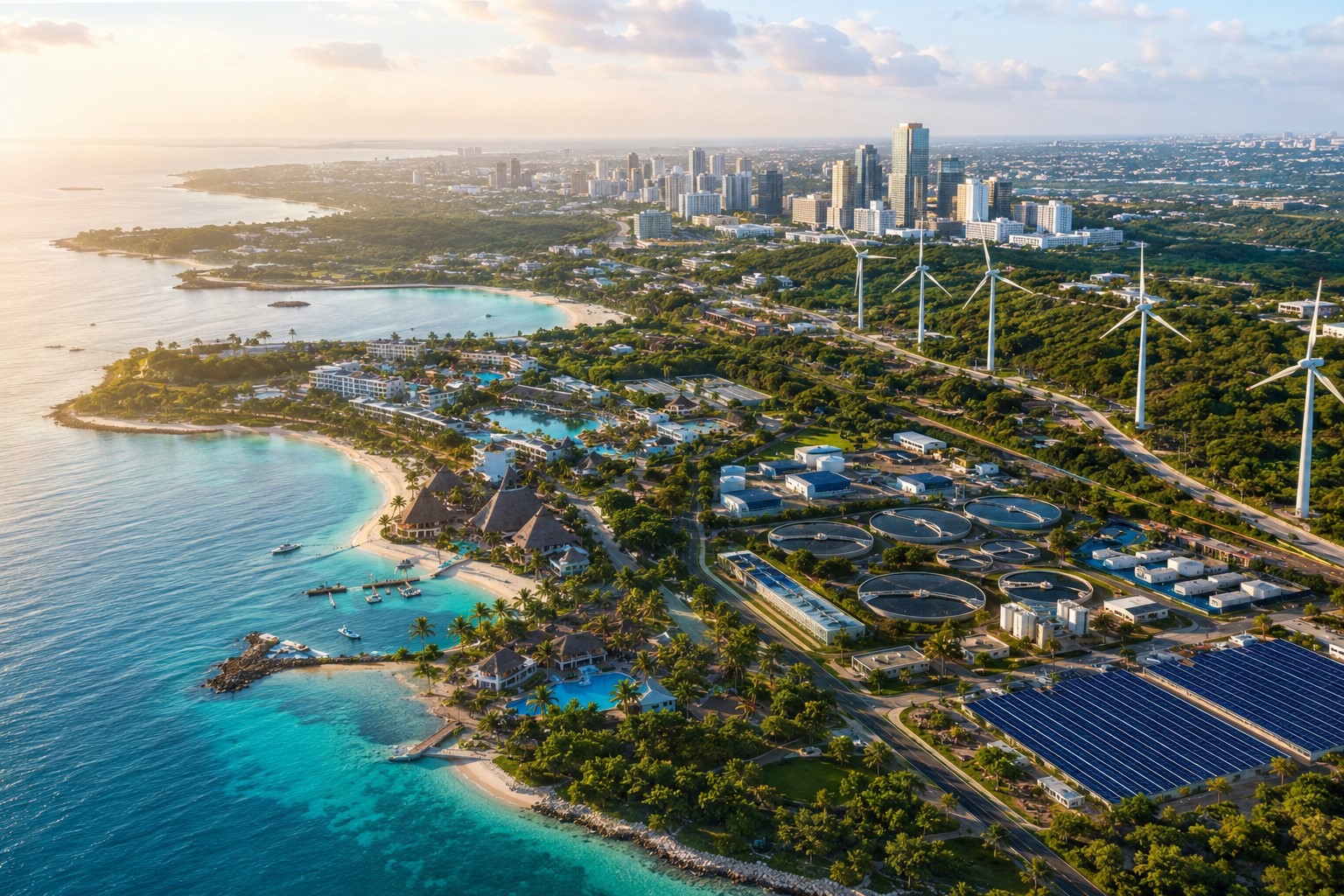
Africa's tourism sector is experiencing renewed momentum, attracting investment, creating jobs, and boosting economic activity across multiple destinations. However, industry experts are cautioning that tourism growth must be supported by strong utility infrastructure to ensure long-term sustainability.
Speaking on the importance of integrated development planning, tourism and infrastructure stakeholders emphasized that utilities should be included at the earliest stages of investment discussions rather than being treated as an afterthought. Reliable access to electricity, clean water, high-speed internet, and effective wastewater management remains essential for delivering quality visitor experiences and maintaining investor confidence.
Experts argue that infrastructure shortages can increase operating costs, reduce service quality, and limit the competitiveness of tourism destinations. As visitor numbers rise, governments and private sector investors are being encouraged to adopt data-driven planning models that account for future demand and climate resilience.
The discussion comes at a time when many African destinations are pursuing ambitious tourism growth strategies. Industry analysts note that sustainable expansion will depend not only on attracting visitors but also on ensuring communities and businesses have access to dependable utility services that support economic development.
Stakeholders say balancing tourism investment with infrastructure readiness will help protect consumers, strengthen local economies, and improve the overall quality of tourism offerings in increasingly competitive global markets.


Comments (0)
Sign in to join the conversation.