



























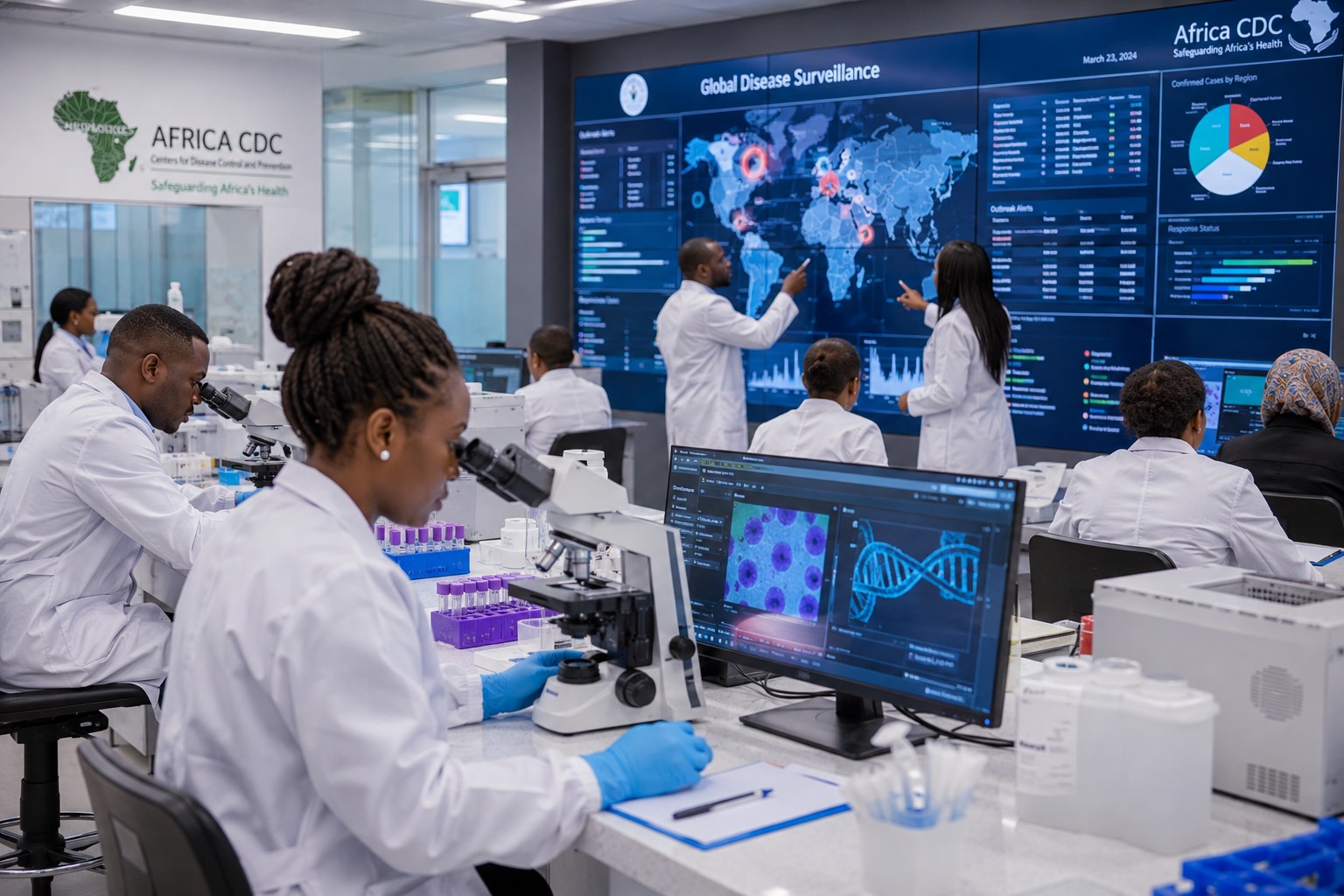
Health authorities are calling for stronger collaboration among laboratories to improve the detection and response to infectious disease outbreaks. Experts say well-connected laboratory systems can significantly enhance public health preparedness by enabling faster diagnosis, information sharing, and coordinated emergency action.
Recent discussions among healthcare professionals and public health organizations have highlighted the need for tiered laboratory networks that connect community health facilities, national laboratories, and regional reference centers. Such systems help ensure that disease threats are identified quickly and managed effectively before they spread across borders.
According to health experts, stronger laboratory infrastructure supports early warning systems, improves disease surveillance, and enhances governments' ability to respond to emerging health emergencies. Investments in modern diagnostic technologies, workforce training, and digital health systems are increasingly viewed as essential components of resilient healthcare systems.
Public health leaders also stress that decentralized laboratory services can improve access to testing in underserved communities while strengthening national outbreak response capabilities. Enhanced laboratory networks can help healthcare providers confirm infections faster, guide treatment decisions, and reduce the impact of future epidemics.
As African nations continue investing in health security and pandemic preparedness, experts believe regional cooperation and integrated laboratory systems will play a crucial role in protecting populations from emerging disease threats and strengthening long-term healthcare resilience.

Comments (0)
Sign in to join the conversation.