






















A fresh political debate is emerging in The Bahamas over whether the government’s economic progress is translating into meaningful relief for ordinary families, as opposition lawmakers question the impact of rising prices and slowing growth.
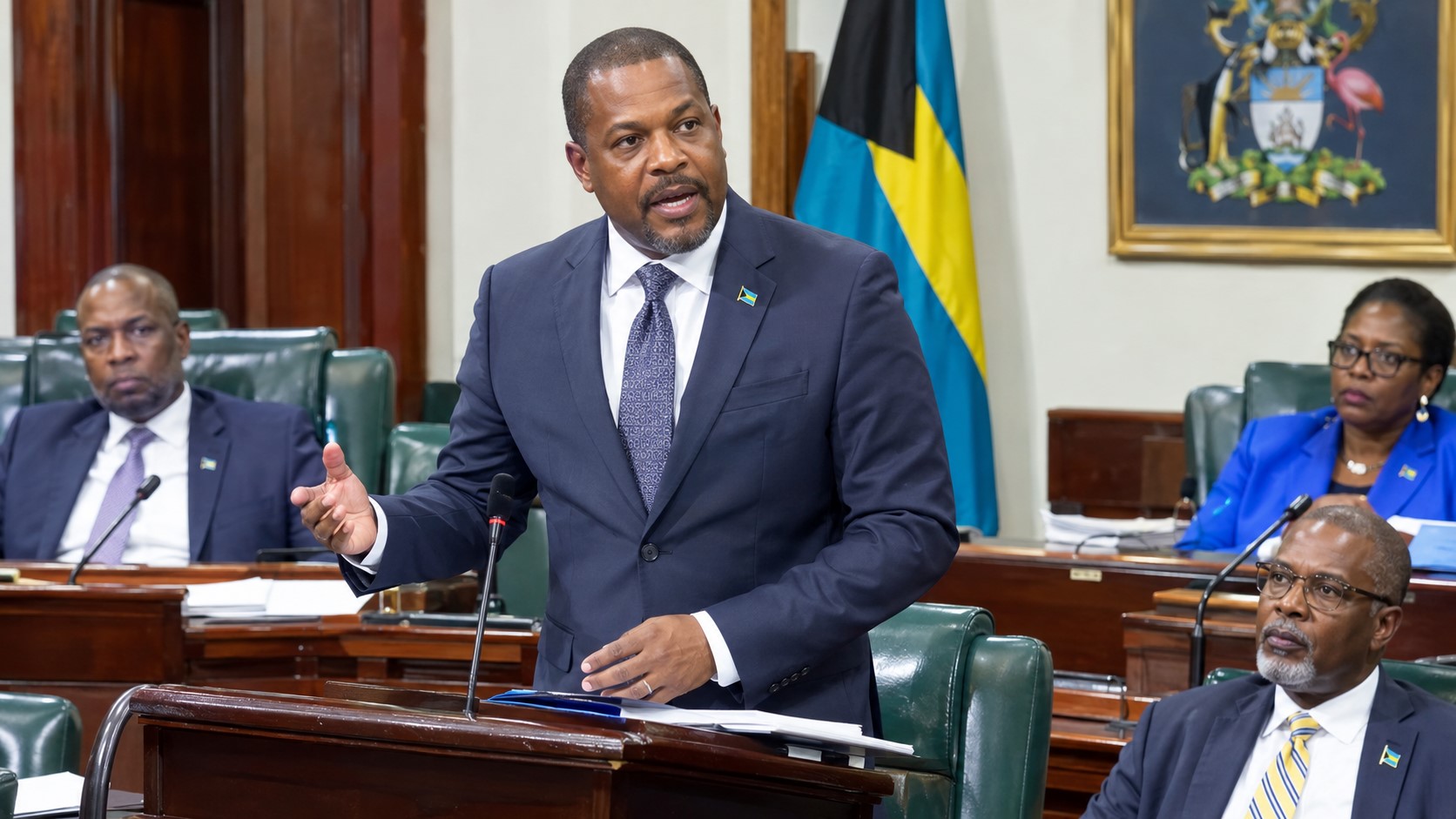
Kwasi Thompson, the opposition’s finance spokesman, challenged the Davis administration’s economic assessment in Parliament, arguing that headline fiscal figures do not fully reflect the financial pressure facing Bahamian households.
Thompson pointed to the cost of groceries, electricity and transportation, citing July 2026 figures showing annual inflation of 3.6%, while transportation costs increased by 12.9%, gasoline prices by 21.4% and diesel prices by 33.4%. He also highlighted concerns over a weaker economic growth outlook.
The opposition MP questioned whether the government’s projected fiscal surplus for the 2026–2027 financial year would deliver tangible benefits to families struggling with essential expenses. He argued that economic policy should be judged by whether people can better afford necessities and build financial security.
However, the economic picture has more than one side. The Central Bank of The Bahamas reported that the domestic economy maintained positive growth during the second quarter of 2026, supported by tourism and construction activity. It also warned that higher global oil prices were increasing inflationary pressures through imported fuel and other goods and services.
The debate places affordability, public finances and economic performance firmly on the political agenda as the government continues its second term.
The key question for Bahamian voters is whether economic growth and government revenue will translate into measurable improvements in household living standards.

Comments (0)
Sign in to join the conversation.