

























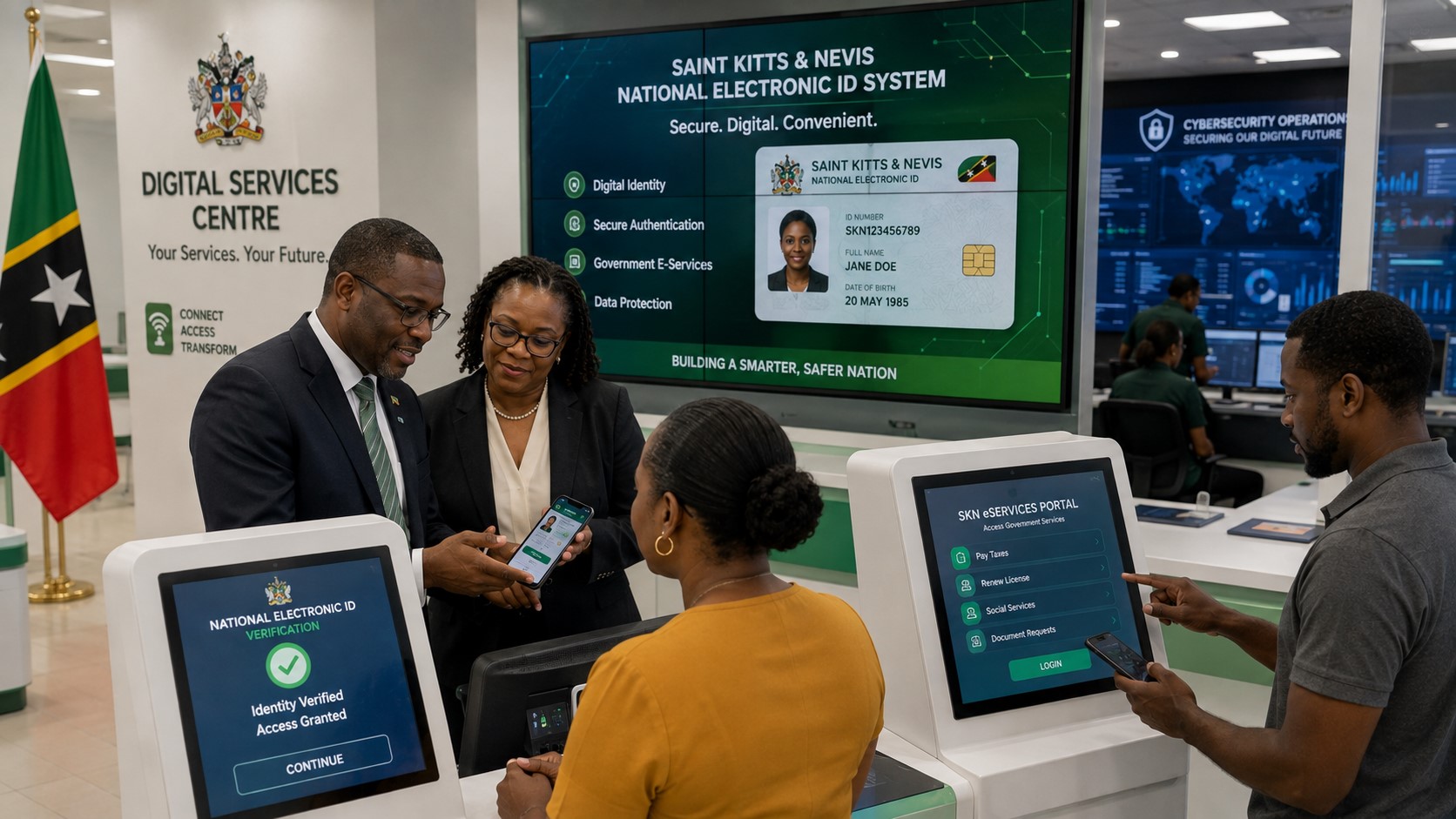
BASSETERRE, Saint Kitts and Nevis — Saint Kitts and Nevis has reached a significant milestone in its digital transformation agenda with the handover of the National Electronic Identification (eID) system to the Federation.
The development moves the country closer to a more integrated system for secure digital identification and online public services.
The national eID programme is designed to provide citizens and residents with a secure way to authenticate their identities when accessing digital services.
The system forms part of the government's broader effort to modernise public administration and reduce reliance on paper-based processes.
The planned digital identity infrastructure could support services such as applications for official documents, government transactions and other online interactions.
Digital authentication is also expected to strengthen security by providing a more reliable way to verify users accessing government platforms.
The initiative has been developed with international cooperation, including support from Taiwan's International Cooperation and Development Fund, as Saint Kitts and Nevis works to build its digital infrastructure.
For citizens living overseas, the system could eventually make it easier to access selected government services remotely without having to travel to the Federation.
The programme also complements other digital initiatives, including online government portals and electronic public-service systems already being developed.
The eID milestone represents an important step toward a more connected digital government in Saint Kitts and Nevis.
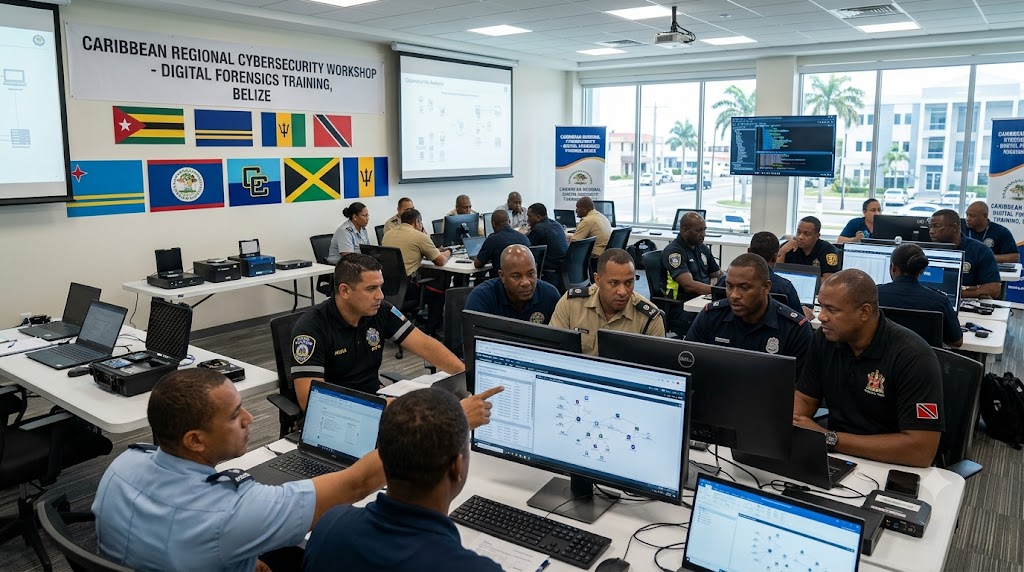
As implementation continues, attention will turn to rollout, public registration, cybersecurity protections and the range of government services that will eventually be accessible through the new digital identity platform.


Comments (0)
Sign in to join the conversation.